




1. Incident Overview
On March 29, a Xiaomi SU7 sedan hit a highway barrier in Anhui, China, and caught fire, killing three female passengers. Data showed the car was in NOA (Navigate on Autopilot) mode at 116km/h before the crash. Despite detecting construction barriers, the system’s 1-second warning proved insufficient.
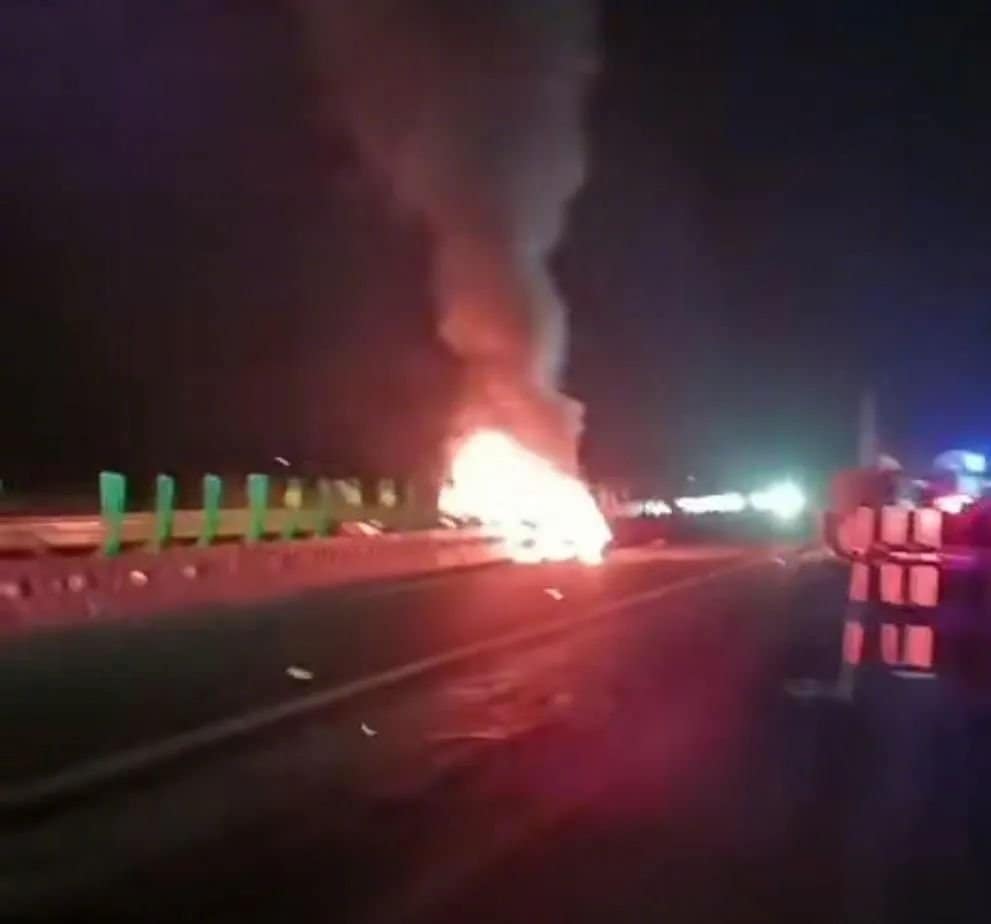
2. Key Controversies
- NOA Alert Timing: Was 1-second warning adequate?
- Door Lock Mechanism: Family claims doors were jammed; Xiaomi states mechanical handles should work.
- Battery Safety: Did the BYD lithium iron phosphate battery fail under impact?
3. Official Responses
Xiaomi formed a task force to assist the investigation. CEO Lei Jun expressed condolences but reiterated NOA is an L2 system requiring driver supervision. Police have not assigned blame.
4. Industry Impact
The crash intensified skepticism about autonomous driving hype. Xiaomi’s stock dropped 5.49%, and experts urged clearer L2 function limitations.
5. Personal Perspective
This tragedy highlights critical gaps in self-driving adoption:
- Consumer Awareness: Many overestimate L2 capabilities—automakers must emphasize driver responsibility.
- Safety Protocols: Post-crash door unlocking and battery fire prevention need urgent upgrades.
Innovation must prioritize safety over marketing promises.
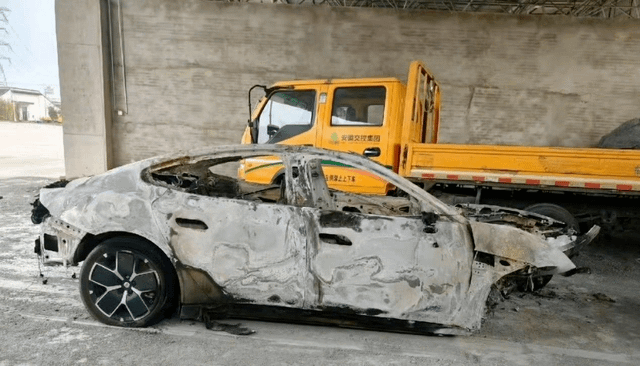
Conclusion
As investigations continue, this accident serves as a stark reminder: the path to autonomous driving must be paved with transparency and rigorous safety standards.


